

ESG Reporting Framework Singapore For Strategy, Compliance, And Trusted Growth
An ESG reporting framework singapore companies can rely on is no longer only a reporting template. It is a strategic foundation that helps corporates connect sustainability goals, regulatory responsibilities, investor expectations, operational risks, and brand credibility into one structured disclosure system. In a market where transparency is becoming more important, companies need a clear method for identifying material ESG issues, measuring performance, explaining governance, and communicating future commitments with confidence.
For Singapore businesses, ESG strategy Singapore planning must work together with reporting discipline. A company may already have environmental initiatives, employee programmes, supplier policies, ethics controls, and community projects, but these efforts can look fragmented without a formal sustainability framework SG approach. A strong framework helps leaders decide which topics matter most, how data should be collected, what standards should guide disclosure, and how progress should be communicated across reports, websites, investor decks, and corporate presentations.
The Singapore reporting landscape also makes framework selection important. ACRA states that Singapore’s sustainability reporting roadmap follows a climate-first approach with phased implementation from FY2025, and requirements vary by company type and market capitalisation. SGX-listed companies need to report, while large non-listed companies are brought in under later timelines, subject to criteria and exemptions. This means an ESG compliance framework should not be built only for current publication needs. It should be designed to support future climate-related disclosure, data controls, governance review, assurance readiness, and ongoing stakeholder communication.
A professional ESG reporting standards SG approach also improves content quality. Instead of producing broad claims, companies can present structured evidence through material topics, policies, metrics, targets, risk management, board oversight, and performance analysis. For brands such as alivea and corporates seeking stronger sustainability communication, the goal is to make ESG reporting useful, credible, and easy to understand. The best ESG reporting framework Singapore organisations develop is practical enough for internal teams, clear enough for stakeholders, and flexible enough to adapt as expectations evolve.
ESG Reporting Framework Singapore For Structured Sustainability Disclosure
An ESG reporting framework Singapore companies use effectively should begin with structure. Sustainability reporting can quickly become complex because ESG covers many areas, including climate risks, carbon emissions, energy use, waste management, water stewardship, workforce wellbeing, diversity, training, health and safety, supplier conduct, anti-corruption controls, board oversight, and stakeholder engagement. Without a framework, companies may publish information that is scattered, inconsistent, or difficult to compare across reporting periods.
A good framework defines what should be reported, why it matters, who owns the data, how information is verified, and where it appears in the final disclosure. This gives the company a repeatable reporting process instead of a rushed annual exercise. For listed issuers, SGX Practice Note 7.6 explains that Listing Rule 711A requires every issuer to prepare an annual sustainability report describing sustainability practices with reference to the primary components under Listing Rule 711B. Those components include material ESG factors, climate-related disclosures, policies, practices and performance, targets, sustainability reporting framework selection, and a board statement.
This official structure provides a useful foundation for corporate reporting design and content planning. It encourages companies to explain how material ESG factors were selected, how those issues connect to strategy and business model, and how performance is measured. It also reinforces the need to describe climate-related risks and opportunities, rather than treating sustainability as a general corporate responsibility story.
For ESG strategy Singapore teams, the framework should also support management decision-making. When sustainability information is collected consistently, leaders can identify gaps, compare year-on-year results, set realistic targets, and prioritize initiatives. A sustainability framework SG process may include a reporting calendar, internal data owners, review checkpoints, disclosure templates, board approval steps, and evidence files. This strengthens the ESG compliance framework and reduces the risk of inaccurate or unsupported statements. Over time, the framework becomes a management tool as much as a reporting tool.
ESG Strategy Singapore For Responsible Growth And Long-Term Business Value
ESG strategy singapore development should not be separated from business strategy. A company’s sustainability priorities affect risk exposure, operational efficiency, stakeholder trust, talent attraction, financing conversations, supply chain resilience, and long-term brand strength. When ESG planning is treated only as a compliance task, the report may meet basic disclosure needs but fail to guide meaningful improvement. When it is connected to business value, the ESG reporting framework Singapore companies create becomes more useful and more credible.
A strong ESG strategy begins with materiality. Companies need to understand which environmental, social, and governance topics have the greatest relevance to their operations, stakeholders, business model, and future risks. For some sectors, climate transition, energy use, and supply chain standards may be central. For others, employee development, data protection, product responsibility, ethical governance, or community relationships may be more important. ESG reporting standards SG should guide disclosure, but the company’s actual context should shape priorities.
Strategic ESG planning also requires realistic targets. Targets should be ambitious enough to show progress, but they must remain grounded in available data, resources, and operational capability. A sustainability framework SG can help teams define short, medium, and long-term objectives. These may include emissions reduction, renewable energy adoption, waste diversion, workplace safety improvement, supplier screening, board diversity, staff training, or stronger policy implementation.
An ESG compliance framework supports this strategy by assigning ownership. Clear governance ensures that ESG commitments are not left only to communications teams. Senior leadership, finance, operations, human resources, procurement, risk, legal, and sustainability functions should all understand their responsibilities. The board and management also need visibility over material issues and reporting outcomes.
When ESG strategy Singapore is built well, reporting becomes a reflection of real organisational progress. The report does not simply describe initiatives; it explains why they matter, how they are managed, what results have been achieved, and what the company plans to improve. This creates a stronger connection between sustainability communication and corporate growth.

ESG Reporting Standards SG For Consistent, Comparable Corporate Reporting
ESG reporting standards SG help companies create disclosures that are more consistent, comparable, and useful to stakeholders. Without standards, ESG reports can vary widely in quality. One company may provide detailed metrics and targets, while another may rely mostly on narrative. One report may explain governance clearly, while another may leave readers uncertain about accountability. Standards reduce this inconsistency by offering recognised principles, disclosure topics, and reporting expectations.
In Singapore, companies should understand both local requirements and global standards. ACRA notes that local sustainability disclosure standards are being developed based on the ISSB Standards, and identifies IFRS S1 for general sustainability-related financial disclosure and IFRS S2 for climate-related disclosure as key references. This matters because investors and business partners increasingly want ESG information that can be compared across companies, sectors, and markets.
A practical ESG reporting framework Singapore approach may also consider other recognised frameworks depending on business needs. These can include GRI for broader sustainability impacts, TCFD-style climate governance and risk structure, Greenhouse Gas Protocol for emissions accounting, and sector-specific disclosure guidance where relevant. The company does not need to use every framework at once. The goal is to choose standards that match the business model, stakeholder expectations, industry exposure, and regulatory pathway.
ESG strategy Singapore teams should avoid selecting frameworks only for appearance. A reporting standard should be usable by internal teams and supported by actual data. If the framework asks for information that the company cannot yet measure, this gap should be acknowledged and managed through a phased improvement plan. Honest reporting can be more credible than vague claims of full alignment.
A sustainability framework SG should therefore include a standards mapping process. This helps companies connect each disclosure requirement to internal data sources, responsible departments, evidence records, report sections, and review owners. The ESG compliance framework becomes stronger when every claim can be traced to a defined source. This improves report quality and prepares the business for future review, assurance, and stakeholder questions.
Sustainability Framework SG For Practical Implementation Across Departments
A sustainability framework SG is most valuable when it can be implemented across departments. ESG reporting is not owned by one team alone. Environmental data may come from facilities, operations, logistics, or procurement. Social metrics may come from human resources, safety teams, training units, and community engagement functions. Governance information may come from legal, compliance, risk management, internal audit, finance, and board secretariat teams. A practical framework connects these contributors into one coordinated process.
The first implementation step is defining ownership. Each material ESG topic should have a data owner, content owner, reviewer, and approval pathway. For example, emissions data may be owned by operations or facilities, while policy disclosure may be reviewed by legal and compliance. Employee training data may come from human resources, while anti-corruption information may be supported by internal audit or governance teams. This prevents the ESG reporting framework Singapore process from depending only on one sustainability manager.
The second step is setting timelines. ESG reports require early preparation because data collection, validation, writing, design, management review, and board approval can take time. A sustainability framework SG should include a reporting calendar aligned with annual report production, financial closing, board meetings, and external review milestones. This helps teams avoid last-minute reporting pressure.
The third step is creating disclosure templates. These templates help each department provide information in a consistent format. They may ask for the reporting period, metric definition, calculation method, data source, owner, supporting evidence, performance explanation, target status, and future action. Templates also improve comparability across years.
ESG strategy Singapore becomes stronger when implementation is embedded in everyday business processes. Instead of collecting sustainability information only once a year, teams should track relevant data regularly. This improves accuracy and allows management to respond earlier when performance gaps appear. A well-designed ESG compliance framework makes sustainability reporting less disruptive, more reliable, and more useful for decision-making across the organisation.
ESG Compliance Framework For Governance, Controls, And Assurance Readiness
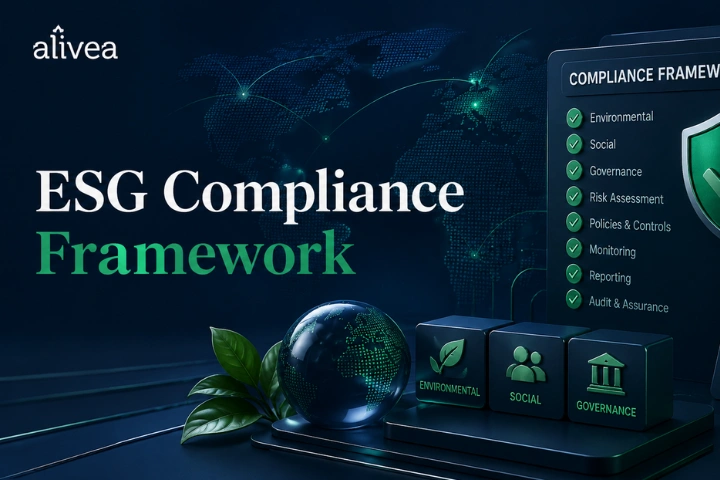
An ESG compliance framework helps companies manage reporting obligations, internal controls, governance oversight, and future assurance expectations. As sustainability disclosure becomes more structured, companies need to show that ESG information is not produced casually. It should be supported by documented processes, defined responsibilities, review trails, evidence records, and management accountability.
Governance is central to this framework. SGX guidance states that the board has ultimate responsibility for the issuer’s sustainability reporting, while management is responsible for ensuring material ESG factors are monitored and properly managed. This means ESG reporting should be integrated into governance discussions rather than treated only as a marketing or communications deliverable. Boards need to understand material ESG factors, climate-related risks, performance trends, and target progress.
Internal controls are equally important. ESG data may come from utility bills, supplier records, HR systems, safety logs, training records, policy registers, risk assessments, and operational spreadsheets. If these sources are not controlled, the company may face inconsistencies or errors. A strong ESG reporting framework Singapore should define how data is collected, checked, approved, stored, and updated. This is especially important for quantitative information, such as greenhouse gas emissions, energy consumption, employee headcount, incident rates, training hours, and procurement figures.
Assurance readiness is becoming more relevant in Singapore. ACRA states that external limited assurance for Scope 1 and Scope 2 greenhouse gas emissions applies from FY2029 for listed companies and from FY2032 for large non-listed companies. Companies that prepare early can reduce future pressure by documenting methods, improving data quality, and aligning internal review with external expectations.
An ESG compliance framework should also guide balanced reporting. SGX guidance highlights the importance of neutral and accurate reporting, including avoiding excessive prominence for favourable information while understating negative information. This principle is critical for trust. A professional report should explain progress, challenges, corrective actions, and future improvements with clarity.
Materiality Assessment For Clear ESG Priorities And Stakeholder Relevance
Materiality assessment is one of the most important parts of an ESG reporting framework Singapore companies can build. It helps the business decide which sustainability topics should receive the most attention in strategy, reporting, and performance monitoring. Without materiality, ESG reports may become long lists of activities that do not clearly connect to business impact or stakeholder needs.
A good materiality process begins with issue identification. Companies can review internal policies, business risks, regulatory requirements, investor questions, customer expectations, employee feedback, industry trends, peer reports, supplier concerns, and community matters. This produces a long list of potential ESG topics. The next step is prioritization. The company evaluates which issues are most relevant to its business model, operational footprint, financial planning, stakeholder relationships, and future resilience.
Stakeholder engagement strengthens this process. Employees may highlight workplace culture, learning opportunities, and safety concerns. Customers may focus on ethical sourcing, product responsibility, or data protection. Investors may look for governance, emissions, climate risk, and measurable targets. Suppliers may raise practical challenges related to standards, audits, or responsible procurement. A sustainability framework SG should capture these perspectives in a structured way.
Materiality also supports report clarity. When the company knows its priority topics, it can avoid overcrowding the report with low-value content. The ESG report can focus on the issues that matter most, explain why they were selected, show how they are managed, and provide relevant metrics. This improves reader confidence because the report appears intentional rather than promotional.
For ESG strategy Singapore, materiality should be reviewed periodically. Business models change, regulations evolve, stakeholder expectations shift, and climate or social risks may become more urgent. A strong ESG compliance framework ensures that material topics remain current, documented, and connected to board and management oversight. The result is a more focused, credible, and decision-useful sustainability report.
Climate Disclosure Planning For Risks, Opportunities, Metrics, And Targets
Climate disclosure planning has become a major priority within ESG reporting standards SG because climate-related information affects risk assessment, capital allocation, operational planning, and long-term resilience. Companies need to explain not only their emissions figures but also how climate-related risks and opportunities are governed, assessed, managed, and measured. This requires a structured process that connects strategy, risk management, data collection, and target setting.
ACRA states that all listed companies need to report Scope 1 and Scope 2 greenhouse gas emissions from financial years starting on or after 1 January 2025, while STI constituents have additional requirements for other ISSB-based climate-related disclosures from FY2025 and Scope 3 emissions from FY2026. Other listed company tiers follow later timelines for broader ISSB-based disclosures, and Scope 3 remains voluntary for non-STI constituents until further notice. These timelines make climate readiness a practical business priority.
An ESG reporting framework Singapore should define how climate data is collected and reviewed. Scope 1 emissions may relate to direct fuel use from sources owned or controlled by the company. Scope 2 emissions typically relate to purchased energy. Scope 3 emissions involve wider value chain activities, which can be more complex because they depend on suppliers, logistics, products, travel, waste, and other indirect sources. A sustainability framework SG can help the company build capability step by step.
Climate planning should also include qualitative disclosure. Companies may need to explain board oversight, management responsibilities, climate risk identification, scenario thinking, transition risks, physical risks, mitigation actions, and progress against targets. The ESG compliance framework should make these narratives evidence-based.
For ESG strategy Singapore, climate reporting should not be viewed only as a regulatory requirement. It can support operational efficiency, energy management, supply chain resilience, innovation, and stakeholder trust. When climate disclosure is well structured, it helps stakeholders understand how the company is preparing for a changing business environment.
ESG Data Governance For Accurate Metrics And Stronger Internal Controls
ESG data governance is essential for reliable reporting. Many companies begin sustainability reporting by collecting information from spreadsheets, invoices, department summaries, emails, and informal records. This may work for early reporting, but it becomes risky as expectations increase. A mature ESG reporting framework Singapore should include clear data governance so that metrics are traceable, consistent, and reviewable.
Data governance starts with definitions. Each metric should have a clear meaning, boundary, unit, methodology, and reporting period. For example, employee turnover, training hours, energy consumption, workplace incidents, supplier assessments, and emissions figures must be defined consistently. Without definitions, different departments may interpret the same metric differently. This weakens ESG reporting standards SG and makes year-on-year comparison difficult.
The next element is data ownership. A sustainability framework SG should identify who enters the data, who reviews it, who approves it, and who stores the supporting evidence. If a number appears in the final ESG report, the company should know where it came from and who validated it. This creates accountability and helps prevent unsupported claims.
Controls are also important. Data checks may include reasonableness reviews, variance analysis, source document verification, approval logs, reconciliation against financial or operational records, and management sign-off. These steps do not need to be overly complicated at the beginning, but they should become stronger as the company’s reporting maturity grows.
ESG strategy Singapore teams can use good data governance to improve performance, not only reporting. Reliable metrics help leaders spot issues earlier, allocate resources more effectively, and track progress against targets. A strong ESG compliance framework also makes future assurance easier because evidence is already organized. In this way, data governance supports both transparency and operational improvement.
Digital ESG Reporting For Website Visibility And Investor Communication
Digital ESG reporting is becoming more important because stakeholders increasingly access sustainability information online. A corporate ESG report may still be published as a PDF, but investors, customers, employees, media, and business partners often search for specific topics through company websites, search engines, investor relations pages, and sustainability microsites. A modern ESG reporting framework Singapore should therefore consider digital communication from the beginning.
A digital-ready sustainability framework SG helps companies decide which information belongs in the full report, which content should appear on the website, and which highlights can be reused in investor presentations or corporate updates. For example, material topics, climate data, governance structures, targets, and performance dashboards can be presented in the PDF report while selected summaries appear on website pages. This improves accessibility and makes ESG information easier to find.
Digital reporting also supports SEO. Clear headings, structured content, descriptive page titles, internal links, concise summaries, and keyword consistency help sustainability pages become more discoverable. Focus terms such as esg reporting framework singapore, esg strategy singapore, esg reporting standards sg, sustainability framework sg, and esg compliance framework should be used naturally, not forced into every sentence. Search-friendly content should still prioritize helpfulness, readability, and expertise.
Investor communication can also benefit from digital ESG content. A strong ESG strategy Singapore page may explain the company’s sustainability governance, climate approach, material topics, and performance highlights. Downloadable reports, interactive charts, and executive summaries can help investors access decision-useful information quickly.
An ESG compliance framework should still protect accuracy in digital formats. Repurposed content must match the approved report and should be updated when figures change. Website claims, social posts, presentations, and sales materials should not overstate progress. When digital ESG reporting is properly governed, it expands stakeholder reach while maintaining consistency and trust.
Alivea Approach To ESG Framework Content, Design, And Corporate Trust
An alivea-style approach to ESG reporting framework Singapore content can help companies connect strategy, compliance, storytelling, and presentation quality. ESG reporting is not only about producing a formal document. It is about helping stakeholders understand how the company manages sustainability issues, what progress it has made, and how its ESG commitments support responsible growth.
From a content perspective, the process should begin with clarity. The company needs to know which ESG topics are material, which standards apply, which data is available, and which messages must be communicated carefully. This avoids generic sustainability language and creates a more focused report. ESG strategy Singapore content should explain the company’s actual priorities, not simply follow industry buzzwords.
From a design perspective, the framework should be translated into a report that is easy to read. Strong page hierarchy, clean charts, consistent icon systems, executive summaries, section dividers, and visual callouts can make technical content more accessible. ESG reporting standards SG can be complex, but thoughtful layout helps stakeholders navigate the information with less friction.
From a trust perspective, the report should be transparent. It should show achievements, challenges, limitations, and future targets. A sustainability framework SG is credible when it does not hide gaps. Instead, it explains how the company plans to improve. This kind of reporting can strengthen investor confidence, employee pride, customer trust, and partner relationships.
For corporates working with alivea or similar professional creative and communication teams, the value lies in combining reporting logic with brand expression. An ESG compliance framework provides discipline, while design and storytelling improve engagement. Together, they turn sustainability reporting into a strategic corporate communication asset that supports long-term reputation and business credibility.
ESG Roadmap Planning For Continuous Improvement And Reporting Maturity
ESG roadmap planning helps companies move from basic disclosure toward mature sustainability management. Many organisations begin with a first report that explains current initiatives, policies, and selected metrics. This is a useful starting point, but it should not become the final stage. A strong ESG reporting framework Singapore should include a roadmap that shows how reporting quality, data coverage, governance, and performance management will improve over time.
The roadmap should begin with a current-state assessment. Companies can review existing ESG data, reporting gaps, available policies, internal responsibilities, stakeholder questions, climate readiness, and previous disclosure quality. This helps leaders understand which areas are strong and which require investment. For example, a company may already have good employee data but limited emissions tracking. Another company may have climate data but weak documentation of governance responsibilities. ESG strategy Singapore becomes more practical when these gaps are visible.
The next stage is prioritization. Not every improvement can happen at once. A sustainability framework SG should help the company decide which actions should be completed in the next reporting cycle, which require a two-year plan, and which depend on system upgrades or supplier collaboration. Priority actions may include improving Scope 1 and Scope 2 data, preparing for broader climate disclosure, formalizing stakeholder engagement, strengthening supplier ESG questionnaires, documenting board oversight, or creating a central evidence repository.
ESG reporting standards SG can guide the roadmap by showing what information may be expected as reporting maturity increases. However, the company should translate standards into realistic internal milestones. A small reporting team may need phased implementation, while a large corporation may need more advanced systems, assurance planning, and cross-functional training.
A good ESG compliance framework also includes learning. After each reporting cycle, the company should review what worked, what caused delays, what data was difficult to verify, and which stakeholder questions remained unanswered. This feedback loop makes the next report stronger. Over time, roadmap planning turns ESG reporting from a yearly production challenge into a continuous improvement process that supports better decisions, stronger accountability, and more credible sustainability communication.
ESG Communication Quality For Clearer Reports And Stronger Brand Confidence
Communication quality determines whether an ESG report becomes useful or ignored. A company can follow a strong ESG reporting framework Singapore, collect reliable data, and apply relevant standards, but the final report still needs to be readable. Stakeholders should not have to work hard to understand the company’s sustainability priorities, progress, and next steps.
Clear communication begins with language. ESG strategy Singapore content should avoid excessive jargon, vague promises, and repeated corporate slogans. Each section should explain the issue, why it matters, what the company is doing, how performance is measured, and what will happen next. This creates a logical rhythm that supports both expert and non-expert readers.
Visual structure also matters. ESG reporting standards SG may require detailed information, but layout can make that information easier to absorb. A sustainability framework SG should guide the use of summary boxes, metric cards, charts, timelines, icons, and section introductions. These elements improve scanning without replacing substance.
A strong ESG compliance framework also protects communication accuracy. Claims used in reports, websites, and investor materials should match approved data. When content is clear, consistent, and evidence-led, the company strengthens brand confidence and makes sustainability easier for stakeholders to trust. Continue reading trusted esg report agency singapore for professional reporting design.
What Does ESG Reporting Framework Singapore Mean For Corporate Teams Today?
An ESG reporting framework Singapore companies use is a structured system for planning, measuring, managing, and communicating sustainability information. It helps corporate teams identify material ESG topics, select relevant reporting standards, collect reliable data, define governance responsibilities, prepare disclosures, and present results clearly.
For corporate teams, the framework reduces confusion. Instead of asking each department to provide random sustainability updates, the company can follow a defined process. ESG strategy Singapore becomes easier because teams know what information matters, who owns it, and how it supports business priorities. ESG reporting standards SG also help ensure that disclosures are consistent and comparable.
A sustainability framework SG may include a reporting calendar, data templates, materiality assessment, standards mapping, review checkpoints, approval workflow, and evidence library. An ESG compliance framework then connects these activities to governance, risk management, internal controls, and assurance readiness. This creates a stronger foundation for credible sustainability reporting.
Who Needs ESG Strategy Singapore Support For Reliable Sustainability Planning?
ESG strategy Singapore support is useful for listed companies, large private companies, multinational groups, investor-facing businesses, fast-growing corporates, and organisations preparing for stronger sustainability expectations. It is especially important for companies that collect ESG information from multiple departments or operate in sectors with complex environmental, social, or governance risks.
Boards and senior executives need ESG strategy support to understand material risks, opportunities, and long-term priorities. Sustainability managers need it to coordinate reporting and implementation. Finance teams may need it to connect sustainability data with business planning. Operations, HR, procurement, legal, and compliance teams also need clear roles within the ESG reporting framework Singapore process.
Companies that want stronger stakeholder trust should also invest in structured planning. ESG reporting standards SG can guide disclosure, while a sustainability framework SG helps translate those requirements into practical action. A strong ESG compliance framework ensures that sustainability commitments are not only written in reports but also managed responsibly across the business.
Where Do ESG Reporting Standards SG Apply Across Corporate Operations?
ESG reporting standards SG apply across many parts of corporate operations because sustainability information is connected to how a company runs its business. Environmental disclosures may involve facilities, energy use, logistics, production, waste, water, and procurement. Social disclosures may involve employee wellbeing, training, diversity, workplace safety, customer responsibility, and community engagement.
Governance disclosures may involve board oversight, risk management, ethics policies, anti-corruption controls, compliance procedures, data protection, and stakeholder accountability. This means an ESG reporting framework Singapore should not be limited to the sustainability department. It must connect with operational teams that generate the data and manage the activities being reported.
A sustainability framework SG also applies to reporting channels. Information may appear in annual reports, sustainability reports, investor relations pages, corporate websites, presentations, and internal updates. An ESG compliance framework helps ensure that these channels remain consistent. When ESG strategy Singapore is integrated across operations, reporting becomes more accurate, useful, and aligned with real business performance.
When Should A Sustainability Framework SG Be Reviewed And Updated Properly?
A sustainability framework SG should be reviewed at least annually and updated whenever major business, regulatory, operational, or stakeholder changes occur. Annual review is important because ESG reporting depends on current material topics, data availability, performance results, and reporting requirements. A framework that worked last year may not fully support new expectations this year.
Companies should also review their ESG reporting framework Singapore when they enter new markets, acquire businesses, launch major projects, face new climate risks, receive investor questions, change supply chains, or update corporate strategy. ESG strategy Singapore should remain connected to real business conditions, not a static checklist.
ESG reporting standards SG may also evolve, so companies need to monitor regulatory updates and framework changes. The ESG compliance framework should include responsibility for tracking requirements, updating disclosure templates, training internal teams, and improving data controls. Regular review helps the company stay prepared, avoid last-minute reporting pressure, and maintain credibility with stakeholders.
Why Is An ESG Compliance Framework Important For Corporate Credibility?
An ESG compliance framework is important because stakeholders need confidence that sustainability information is accurate, balanced, and properly governed. ESG reports often include performance claims, policy commitments, emissions data, employee metrics, risk statements, and future targets. If these disclosures are unsupported or inconsistent, corporate credibility can be damaged.
A strong ESG reporting framework Singapore helps companies avoid vague claims by linking disclosures to evidence, data owners, review steps, and approval processes. ESG strategy Singapore also becomes more credible when commitments are backed by real governance and measurable progress. Investors, customers, employees, regulators, and business partners are more likely to trust reports that show clear accountability.
ESG reporting standards SG provide structure, but compliance quality depends on implementation. A sustainability framework SG should include internal controls, documentation, board oversight, and balanced reporting principles. This allows the company to explain both achievements and challenges. Credibility grows when stakeholders can see that the company treats ESG reporting as serious corporate governance, not only brand promotion.
How Can Companies Build ESG Reporting Framework Singapore More Effectively?
Companies can build an ESG reporting framework Singapore more effectively by starting with materiality, standards mapping, governance, data ownership, and practical implementation. The first step is to identify which ESG topics matter most to the business and its stakeholders. The second step is to choose relevant ESG reporting standards SG that fit the company’s industry, reporting obligations, and stakeholder expectations.
Next, companies should define who owns each topic, metric, and disclosure. ESG strategy Singapore becomes stronger when responsibility is distributed across departments instead of placed on one person. A sustainability framework SG should also include templates, evidence requirements, review timelines, and approval checkpoints.
Finally, companies should improve the framework year by year. Early reports may begin with basic data and narrative disclosure, but the ESG compliance framework should mature toward stronger controls, clearer targets, improved climate disclosure, and assurance readiness. Professional support from content, sustainability, compliance, and design teams can help create reports that are accurate, readable, and trusted.
Building Better ESG Strategy Singapore Through Frameworks, Compliance, And Trust
A strong ESG reporting framework Singapore companies can depend on is both a compliance tool and a business strategy asset. It helps organisations understand what to report, how to measure progress, who should own sustainability information, and how disclosures should be presented to stakeholders. In a changing reporting environment, companies need more than isolated ESG initiatives. They need a structured approach that connects sustainability priorities with governance, operations, risk management, performance data, and communication quality.
ESG strategy Singapore becomes more meaningful when it is supported by practical systems. Materiality assessment identifies what matters most. ESG reporting standards SG provide recognised guidance. A sustainability framework SG turns strategy into repeatable workflows. An ESG compliance framework strengthens accountability, internal controls, review processes, and assurance readiness. Together, these elements create reporting that is clearer, more balanced, and more useful.
For Singapore corporates, this approach is especially important because sustainability disclosure expectations continue to mature. Companies that prepare early can build better data processes, improve board visibility, strengthen climate readiness, and create more reliable ESG communication. They can also avoid the weakness of producing reports that look polished but lack substance. The best reports are not only attractive; they are accurate, structured, evidence-led, and honest about both progress and improvement areas.
For alivea and corporate brands that want premium ESG communication, the opportunity is to turn sustainability reporting into a stronger trust-building platform. A well-developed framework helps the company speak clearly to investors, employees, customers, regulators, and business partners. It transforms sustainability from a collection of activities into a coherent business narrative. When ESG reporting is designed with strategy, compliance, and credibility at the centre, it supports long-term reputation, responsible growth, and stronger stakeholder confidence.
