

Brand Implementation Design For Scalable Business Brand Execution Systems
Brand implementation design is the practical discipline of turning brand strategy, visual identity, and communication guidelines into real business assets that people can see, use, and remember. A brand may begin with a logo, color palette, typography system, messaging framework, and design principles, but those elements only create value when they are applied consistently across websites, proposals, presentations, brochures, social media, advertisements, signage, packaging, and internal documents. This is why brand implementation for business is an essential part of modern brand management.
Many companies invest in brand identity development but struggle during execution. A logo may appear correctly on the website but incorrectly in presentation slides. A brochure may use the right colors, while a proposal uses outdated fonts. A social media campaign may look creative but disconnected from the brand system. These issues may seem small at first, but over time they weaken recognition and make the company appear less organized. Brand implementation design helps prevent this problem by creating clear systems for brand deployment.
Professional brand implementation design focuses on accuracy, usability, and consistency. It ensures that brand assets are not only attractive but also practical for daily business use. Teams need templates, asset libraries, layout rules, file formats, usage examples, and approval workflows. Without these tools, every department may create materials based on personal interpretation, which can lead to inconsistent execution.
Visual brand implementation design also matters because audiences often recognize brands through repeated visual signals. Colors, typography, image style, spacing, icon treatment, layout structure, and logo placement shape how people remember a brand. When these elements appear consistently across different channels, the brand becomes easier to identify and trust.
Brand implementation development design builds the structure behind this consistency. It creates scalable execution systems that allow a brand to grow without losing control. For companies seeking brand implementation design Singapore support, working with a professional partner such as Alivea can help transform brand identity into a practical, polished, and scalable execution framework.
Brand Implementation Design For Consistent Business Identity Rollout Systems
Brand implementation design helps businesses roll out their identity in a controlled, consistent, and practical way. A business identity is not fully complete when the logo is approved or the guideline document is finalized. It becomes meaningful when it appears correctly across every communication asset. Customers rarely experience a brand through one single touchpoint. They may discover it through a website, evaluate it through a proposal, remember it through social media, and trust it through a presentation or corporate profile. Each interaction should feel connected.
A consistent rollout begins with a clear view of all brand touchpoints. This includes digital channels, printed documents, customer-facing materials, internal templates, sales assets, event graphics, email signatures, reports, packaging, signage, and advertising formats. Brand implementation for business becomes stronger when every touchpoint is mapped before execution begins. This prevents important materials from being forgotten during rollout.
Professional brand implementation design ensures that identity elements are used correctly. This includes logo proportions, clear space, color combinations, typography hierarchy, grid systems, visual spacing, icon usage, and image direction. A brand can lose quality when these elements are changed casually. A stretched logo, inconsistent font, poor image choice, or weak layout can reduce the perceived professionalism of the business.
Visual brand implementation design creates a recognizable brand experience without forcing every asset to look identical. A website banner, brochure page, social media post, business proposal, and presentation slide all have different functions. However, they should still share the same visual foundation. Good implementation balances flexibility with control.
Brand implementation development design often includes templates and execution rules that make rollout easier for teams. Instead of asking employees to interpret guidelines from scratch, the business can provide ready-to-use assets. This saves time, reduces errors, and improves consistency.
Brand implementation design Singapore is especially valuable for companies that want professional brand presentation across both local and regional markets. In a competitive business environment, consistent execution helps the brand appear more credible, organized, and prepared for growth.
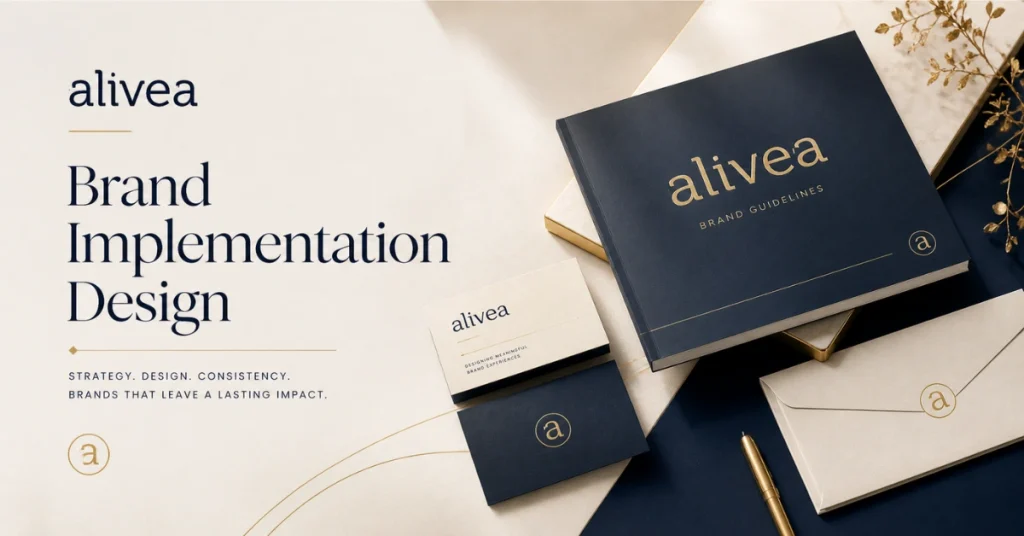
Professional Brand Implementation Design For Reliable Execution Control Systems
Professional brand implementation design gives businesses the control needed to protect brand quality after launch. Many brands look strong at the beginning of a rollout but become inconsistent over time because teams create new materials without proper systems. Marketing may design new campaign assets, sales may modify proposal decks, human resources may prepare recruitment documents, and external vendors may produce printed materials. Without clear control, each group may apply the brand differently.
Execution control begins with practical brand governance. Governance defines how the brand should be used, who manages official assets, which files are approved, how templates should be edited, and what review steps are needed before materials are published. Brand implementation design gives governance a practical form. It turns brand standards into usable systems instead of leaving them as abstract rules.
Professional brand implementation design is also important because not every team member is a designer. Employees need clear and accessible tools. They should know which logo version to use, which colors are approved, how headings should be styled, which image types fit the brand, and how layouts should be structured. When brand tools are easy to use, consistency becomes easier to maintain.
Visual brand implementation design supports execution control by creating structured visual rules for different formats. A corporate presentation may need editable slide layouts. A social media system may need flexible post templates. A printed brochure may require production-ready files. A website may need responsive visual components. Each format has different technical needs, and professional execution ensures that the brand works properly across all of them.
Brand implementation development design can also include internal training, file organization, naming systems, asset libraries, and quality checklists. These tools reduce confusion and help teams produce materials faster. They also prevent repeated corrections because people work from approved standards.
Brand implementation for business should not be treated as a one-time design task. It is an operating system for brand consistency. Brand implementation design Singapore services can help companies build this system with precision, making execution more reliable across campaigns, departments, and customer channels.
Visual Brand Implementation Design For Stronger Recognition Across Channels
Visual brand implementation design helps businesses build recognition by applying brand identity elements consistently across multiple channels. Recognition is not created from one design asset alone. It is built through repeated exposure to familiar visual patterns. When audiences see the same colors, typography, layout rhythm, logo style, and image direction across different materials, they begin to associate those elements with the brand.
A strong visual identity can become weak if it is not implemented carefully. For example, a logo may look elegant in its master file but appear unprofessional when placed on a crowded layout or low-contrast background. A brand color may look consistent online but incorrect in print if technical specifications are ignored. A presentation may use the right logo but the wrong font hierarchy. Visual brand implementation design prevents these issues by turning identity standards into reliable execution rules.
Professional brand implementation design also considers the purpose of each channel. A website must be responsive, readable, and visually clear on different screen sizes. A brochure must be organized for printed reading. A pitch deck must guide attention slide by slide. A social media template must allow campaign flexibility while keeping brand recognition. A signage system must be visible and legible in physical space. Each format requires a different design treatment, but the brand should remain recognizable.
Brand implementation design gives businesses a complete visual framework for these applications. It may include master templates, brand components, image usage rules, icon systems, document layouts, content grids, and digital asset standards. These tools help teams avoid random visual decisions.
Brand implementation development design can also simplify complex communication. Businesses often need to explain services, processes, data, benefits, and proof points. Visual execution can make this information easier to understand through hierarchy, diagrams, structured layouts, and clear content flow.
Brand implementation design Singapore can support companies that need professional execution across both digital and offline materials. For growing businesses, visual consistency is more than an aesthetic concern. It improves recall, strengthens trust, and gives the brand a more dependable presence in the market.
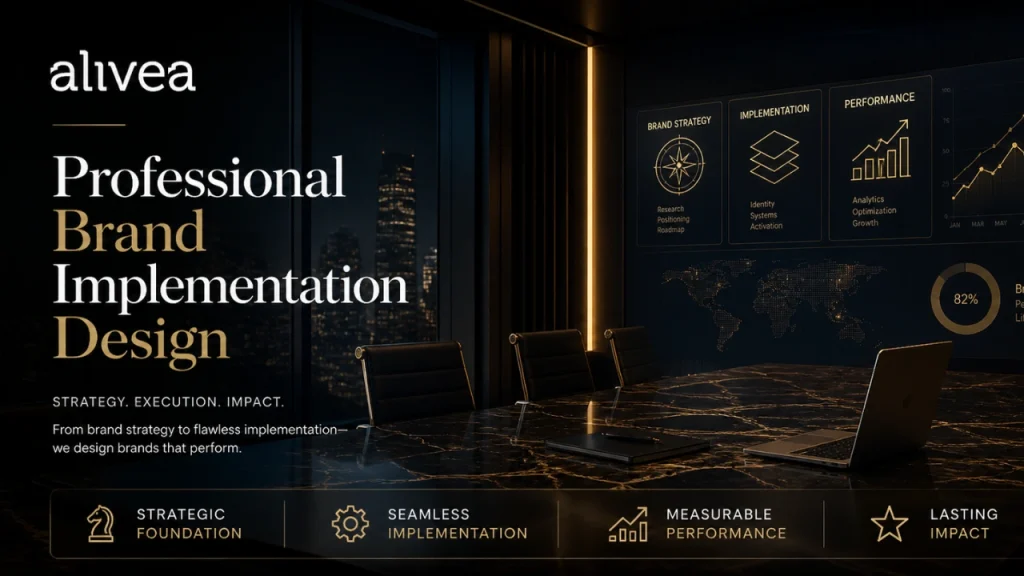
Brand Implementation Development Design For Scalable Business Workflows
Brand implementation development design creates the workflows, templates, and systems needed to make brand execution scalable. A business may be able to maintain consistency when only one designer controls all materials, but as the company grows, more people begin using the brand. Marketing teams, sales teams, HR teams, executives, agencies, printers, developers, and vendors may all need access to brand assets. Without scalable workflows, consistency becomes difficult to manage.
Development begins with a brand asset audit. The company reviews existing materials to identify what is accurate, outdated, missing, or inconsistent. This may include websites, presentations, brochures, proposals, stationery, social media designs, internal documents, signage, and campaign assets. Brand implementation design becomes more effective when the company understands the full scope of its brand environment before creating new tools.
Professional brand implementation design then turns this audit into a practical system. The business may need editable templates, master layouts, file folders, design components, usage rules, and production specifications. These systems help employees create new materials without starting from zero. They also reduce the risk of off-brand execution.
Visual brand implementation design plays an important role in workflow development. It ensures that templates are not only visually consistent but also usable. A presentation template should be easy to edit. A social media template should support different content types. A proposal template should help teams customize information without damaging the layout. Usability is important because complicated systems are often ignored.
Brand implementation development design may also include approval workflows. For example, high-impact materials may require brand review before publication, while routine internal documents may follow simpler rules. This creates a practical balance between control and efficiency.
Brand implementation for business should support daily operations, not slow them down. A good system allows teams to create faster while staying aligned with the brand. Brand implementation design Singapore services can help companies build execution workflows that are structured, flexible, and ready for long-term growth.
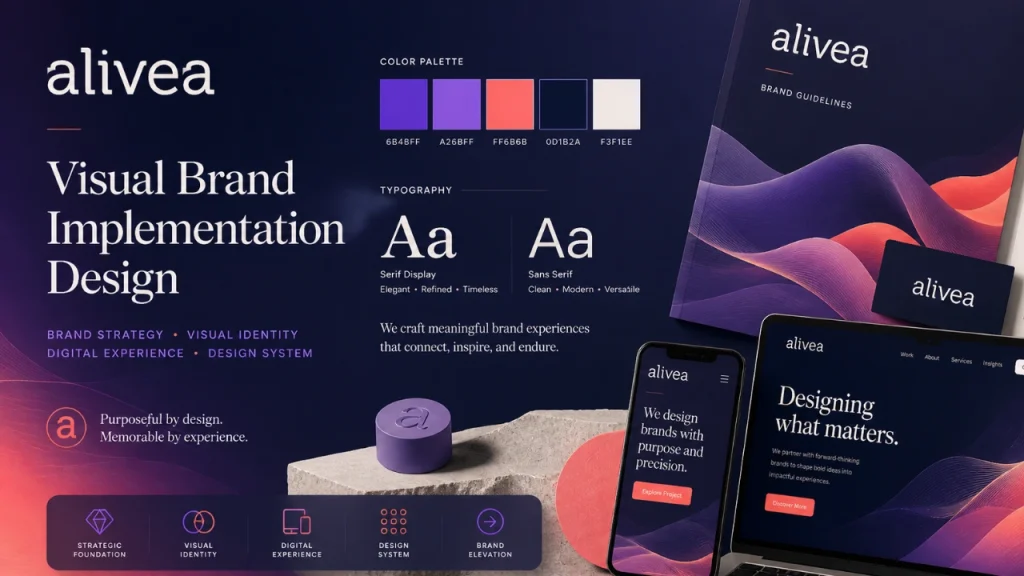
Brand Implementation Design Singapore For Practical Brand Growth Systems
Brand implementation design Singapore helps businesses create practical systems for brand growth in a competitive and fast-moving market. A brand identity may be creative and visually strong, but if it is difficult to apply, teams may struggle to use it consistently. Practical implementation turns the brand into a working system that supports campaigns, sales, customer communication, internal alignment, and long-term recognition.
In Singapore, many businesses operate across multiple channels and audience groups. A company may need to communicate with local customers, regional partners, investors, corporate buyers, employees, and digital users. Each audience may interact with different materials, but every interaction should feel connected to the same brand. Brand implementation design helps create this connected experience.
Professional brand implementation design is especially useful for businesses that are rebranding, launching a new identity, expanding into new markets, redesigning a website, preparing corporate materials, or improving sales communication. These moments require careful execution because the brand may be seen by many people across many platforms. A rushed rollout can create confusion, while a structured rollout can strengthen trust.
Visual brand implementation design helps ensure that the brand is suitable for real-world use. Design assets must work in digital formats, print formats, presentations, campaigns, and internal systems. If a brand only looks good in one format but fails in others, it is not fully practical. Strong implementation makes the identity adaptable.
Brand implementation development design can also reduce long-term production costs. When teams have templates, approved assets, and clear workflows, they can create future materials more efficiently. This reduces repeated design corrections and prevents unnecessary inconsistency.
Brand implementation design Singapore should be seen as a business growth system, not only a design service. It helps companies protect brand quality while scaling communication. With a partner such as Alivea, businesses can develop implementation systems that make their brand easier to use, easier to manage, and easier to recognize across every important touchpoint. Popular post brand implementation singapore corporate branding implementation services.

What Is Brand Implementation Design For Business Execution Systems Today
Brand implementation design is the process of applying brand identity across real business materials in a consistent and practical way. It connects strategy, visual identity, guidelines, templates, and execution workflows so the brand can appear correctly across websites, presentations, brochures, proposals, social media, signage, and internal documents.
Professional brand implementation design helps businesses avoid inconsistent use of logos, colors, typography, layouts, imagery, and messaging. Visual brand implementation design focuses on how the identity appears across different channels and formats. Brand implementation development design creates systems that teams can use repeatedly.
Brand implementation design Singapore is useful for companies that want reliable execution across digital and offline platforms. Brand implementation for business is important because a brand only becomes memorable when audiences experience it consistently. Strong implementation protects design quality, improves workflow, and supports long-term recognition.
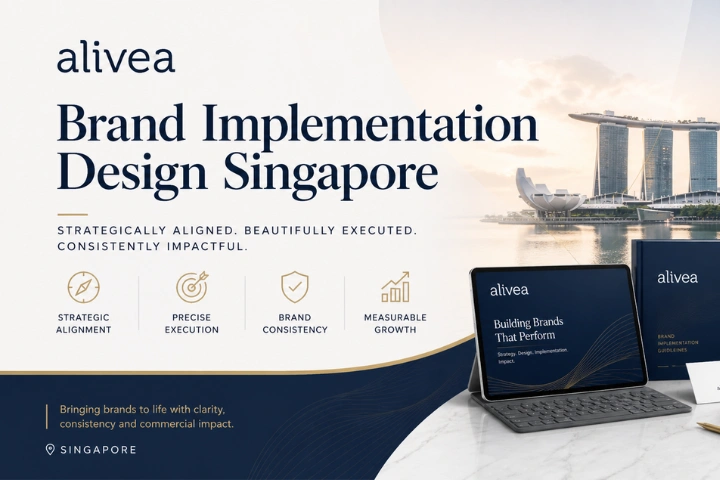
Who Needs Professional Brand Implementation Design For Business Growth Today
Professional brand implementation design is useful for startups, SMEs, corporate companies, service providers, agencies, retailers, technology firms, education brands, property businesses, and organizations preparing for growth. Any company with multiple communication touchpoints needs consistent execution to protect brand quality.
Brand implementation design is especially important after rebranding, logo development, website redesign, campaign launch, business expansion, or corporate identity refresh. Visual brand implementation design helps ensure that the new identity appears correctly across all customer-facing and internal materials.
Brand implementation development design is valuable for companies with growing teams because it gives employees and vendors clear systems to follow. Brand implementation design Singapore can help businesses create structured rollout systems for local and regional communication. Brand implementation for business supports growth by making the brand easier to manage, scale, and recognize.
Where Should Visual Brand Implementation Design Appear Across Business Assets
Visual brand implementation design should appear across every asset where customers, partners, employees, or stakeholders interact with the company. This includes websites, landing pages, social media graphics, digital advertisements, corporate profiles, brochures, pitch decks, proposals, business cards, email signatures, packaging, signage, event booths, reports, and internal documents.
Brand implementation design ensures that each asset follows approved identity standards. Professional brand implementation design controls logo usage, colors, typography, imagery, spacing, layout structure, and file quality. This creates a connected experience across digital, print, and physical platforms.
Brand implementation development design can organize these applications into reusable templates and asset libraries. Brand implementation design Singapore is especially helpful for companies that need polished communication across several channels. Brand implementation for business creates stronger recognition because every material supports the same visual identity.
When Should Brand Implementation Development Design Begin For Better Results
Brand implementation development design should begin after brand strategy, visual identity, and core guidelines are approved. It should also begin before a website launch, rebrand rollout, campaign release, corporate profile update, sales deck redesign, signage production, packaging refresh, or internal brand launch.
Starting early allows brand implementation design to prepare templates, assets, files, and rollout priorities before teams begin using the identity. Professional brand implementation design can also identify missing assets or technical issues before they cause delays.
Visual brand implementation design should be tested across digital and offline formats before public rollout. Brand implementation design Singapore support can help businesses avoid rushed execution and inconsistent output. Brand implementation for business works best when implementation is planned as part of the branding process, not added as a last-minute task.
Why Does Brand Implementation Design Singapore Matter For Brand Value Today
Brand implementation design Singapore matters because brand value depends on consistent execution. A company may invest in strong strategy, identity, and messaging, but if the brand is applied poorly, customers may not experience the intended quality. Implementation protects the original branding investment.
Professional brand implementation design helps businesses create structured systems for rollout, governance, and asset use. Visual brand implementation design strengthens recognition by making every touchpoint look connected. Brand implementation development design improves efficiency by giving teams practical templates and workflows.
Brand implementation for business also reduces confusion. When customers see consistent communication across channels, the brand feels more reliable. Strong implementation supports trust, recognition, and professional presentation. For companies that want sustainable growth, brand consistency is not optional. It is part of long-term brand equity.
How Can Brand Implementation For Business Improve Execution Quality Today
Brand implementation for business improves execution quality by turning brand guidelines into practical tools that teams can use every day. The process may include auditing existing assets, mapping touchpoints, creating templates, preparing files, organizing asset libraries, setting usage rules, and defining approval workflows.
Brand implementation design gives every material a consistent foundation. Professional brand implementation design ensures that teams do not guess how to apply the identity. Visual brand implementation design protects design quality across websites, documents, presentations, ads, and print materials.
Brand implementation development design can also support training and vendor coordination. This helps employees and external partners use the brand correctly. Brand implementation design Singapore can improve rollout quality by creating a system that is clear, scalable, and easy to manage. The result is a brand that looks more organized, consistent, and professional.
Conclusion On Brand Implementation Design For Consistent Business Execution
Brand implementation design is essential for businesses that want their brand identity to become a consistent and scalable execution system. A brand does not create full value when it remains inside a guideline document or design file. It becomes powerful when customers experience the same quality across websites, presentations, proposals, brochures, social media, advertising, signage, packaging, and internal communication.
Professional brand implementation design helps businesses turn identity standards into practical tools. It provides templates, file systems, layout rules, asset libraries, usage examples, and governance workflows that make execution easier for teams. This prevents brand inconsistency and protects the quality of the original design investment.
Visual brand implementation design strengthens recognition by making every brand touchpoint feel connected. Consistent colors, typography, imagery, logo usage, spacing, and layout systems help audiences remember the brand. When a company looks organized across different channels, it also appears more reliable and professional.
Brand implementation development design creates the structure needed for long-term scalability. As a business grows, more people will use the brand. Without clear systems, inconsistency can spread quickly. With the right workflows, approved assets, and rollout planning, teams can create new materials faster while staying aligned with brand standards.
Brand implementation design Singapore is valuable for companies that want professional execution across local, regional, and digital markets. It helps businesses maintain quality while adapting to different platforms and audience needs. Brand implementation for business is not only about applying design correctly. It is about building a brand operating system that supports growth, recognition, and trust.
With the support of a strategic partner such as Alivea, businesses can transform their brand identity into a practical execution framework. Strong implementation helps every touchpoint work together, making the brand easier to manage, easier to recognize, and easier to trust over time.
