
Corporate Sustainability Reporting Singapore For Clear ESG Compliance And Growth
Corporate sustainability reporting Singapore has become a strategic requirement for companies that want to prove accountability, strengthen stakeholder trust, and meet rising ESG expectations in a transparent business environment. In Singapore, sustainability reporting is no longer treated as a decorative section inside an annual report. It has become a structured communication tool that connects environmental performance, social responsibility, governance quality, climate risk, business continuity, and long-term corporate value. For listed companies, the reporting landscape is shaped by Singapore Exchange requirements, while larger non-listed companies are also moving toward phased climate reporting obligations under Singapore’s sustainability roadmap. ACRA states that listed companies and large non-listed companies need to comply from FY2025 and FY2030 respectively, with a climate-first implementation approach.
For businesses, corporate sustainability reporting Singapore is not only about preparing a document. It is about building a reliable ESG management system that supports better decisions. Companies need to identify material ESG factors, monitor sustainability data, explain policies, disclose progress, and communicate targets in a way that investors, regulators, employees, customers, and partners can understand. This makes sustainability reporting Singapore an important bridge between compliance and reputation.
Effective esg reporting Singapore should also reflect the company’s actual operating context. A logistics company may focus on fleet emissions and supply chain resilience, while a real estate business may prioritise energy efficiency, green building performance, tenant engagement, and climate adaptation. A professional services company may highlight ethical governance, talent development, data privacy, and responsible procurement. This industry-specific approach makes corporate sustainability sg more credible because the report explains what truly matters to the business.
Alivea can be positioned as a strategic partner for companies that need sustainability disclosure Singapore support, especially when ESG content must be clear, compliant, visually structured, and suitable for corporate communication. A strong sustainability report should not confuse readers with generic statements. It should guide them through performance, risks, initiatives, and measurable progress with clarity, consistency, and confidence.
Corporate Sustainability Reporting Singapore Builds Trust Across Regulated Markets
Corporate sustainability reporting Singapore builds trust because stakeholders increasingly expect companies to show how they manage environmental, social, and governance impacts. In a market known for strong regulation and international connectivity, a company’s ESG communication can influence investor confidence, procurement eligibility, lending conversations, talent attraction, and brand credibility. Businesses that publish vague sustainability claims may struggle to convince sophisticated readers, while organisations that disclose structured information can demonstrate maturity and responsibility.
Singapore Exchange describes sustainability reporting as an annual requirement and states that a sustainability report should include primary components such as material ESG factors, climate-related disclosures, policies, practices and performance, targets, reporting framework, and a board statement with governance structure. These components matter because they move reporting beyond storytelling. They require companies to explain what is material, why it is material, how it is governed, what actions are being taken, and how progress will be measured.
A strong sustainability reporting Singapore process usually begins with materiality assessment. This means identifying the ESG topics that have the greatest relevance to business strategy, financial planning, stakeholders, and operational resilience. Common issues include greenhouse gas emissions, waste reduction, energy consumption, workplace safety, supply chain ethics, cybersecurity, anti-corruption practices, diversity, human capital development, and community impact. However, the best reports avoid copying a generic checklist. Instead, they connect each issue to the company’s business model.
Good esg reporting Singapore also requires reliable data. Companies need systems for collecting, validating, and explaining sustainability information. Without a proper data workflow, reports may contain inconsistencies between departments, weak baselines, unclear methodologies, or unsupported targets. These weaknesses can reduce credibility even when the company has meaningful initiatives.
Corporate sustainability sg should therefore be managed as a year-round discipline, not a last-minute publishing task. The report is the visible output, but the real value comes from governance, data ownership, stakeholder engagement, internal collaboration, and measurable improvement. When sustainability disclosure Singapore is prepared with care, it helps companies show accountability while supporting smarter business decisions.
Sustainability Reporting Singapore Turns ESG Data Into Strategic Business Value
Sustainability reporting Singapore creates business value when ESG data is transformed into clear insight, not merely listed as isolated numbers. Many companies already collect information about energy usage, employee training, procurement practices, customer satisfaction, compliance incidents, charitable activities, and operational efficiency. The challenge is turning that scattered information into a coherent sustainability narrative that supports strategy and performance improvement.
A well-developed corporate sustainability reporting Singapore framework helps management understand where risks and opportunities exist. For example, energy data may reveal cost-saving opportunities. Waste data may highlight process inefficiencies. Employee turnover trends may show talent retention risks. Supplier assessment results may identify exposure to ethical, environmental, or operational disruptions. When these insights are properly analysed, sustainability reporting Singapore becomes a management tool rather than a compliance burden.
The Singapore reporting environment encourages companies to use recognised frameworks that fit their industry and business model. SGX’s sustainability reporting guide says issuers should select an appropriate sustainability reporting framework and explain their reasons for choosing it. It also notes that using a globally recognised framework can help companies become more easily understood and compared with peers in Singapore and other jurisdictions. This is especially important for companies that serve multinational clients, raise capital, participate in cross-border supply chains, or operate in sectors affected by climate and social expectations.
ESG reporting Singapore should also link performance with targets. A report becomes more meaningful when readers can see the baseline, the progress achieved, the challenges faced, and the next steps planned. Targets may include reducing Scope 1 and Scope 2 emissions, improving energy intensity, increasing workforce training hours, expanding supplier screening, enhancing board diversity, or strengthening data governance.
For corporate sustainability sg, the goal is not to create a perfect image. Stakeholders often value honest explanation more than polished claims. If a target was missed, the report should explain why and what corrective actions are being taken. If data coverage is still developing, the company can disclose boundaries and improvement plans. This level of transparency makes sustainability disclosure Singapore more useful, more credible, and more aligned with long-term ESG performance.
ESG Reporting Singapore Strengthens Governance, Risk, And Investor Confidence
ESG reporting Singapore is closely connected to governance because sustainability issues can affect financial resilience, operational continuity, legal exposure, and corporate reputation. Investors and lenders want to know whether a company’s board and management understand ESG risks, monitor them effectively, and integrate them into decision-making. A sustainability report gives companies a structured way to explain these responsibilities.
Corporate sustainability reporting Singapore should clearly describe how ESG oversight is organised. This may include the board’s role, management committees, sustainability working groups, department-level data owners, internal review processes, and escalation procedures for critical risks. Clear governance helps readers understand that sustainability is not managed only by marketing or communications teams. It shows that ESG issues are considered at leadership level.
ACRA’s sustainability reporting timeline shows that all listed companies must report Scope 1 and Scope 2 greenhouse gas emissions from financial years starting on or after 1 January 2025, while STI constituents must report Scope 3 greenhouse gas emissions from FY2026. These requirements make climate-related data increasingly important for esg reporting Singapore because emissions information affects compliance, benchmarking, decarbonisation planning, and stakeholder evaluation.
Governance also supports risk management. Climate risks may include physical risks such as flooding, heat stress, and asset damage, as well as transition risks such as carbon pricing, changing customer expectations, technology shifts, and regulatory developments. Social risks may include workforce safety issues, labour shortages, supplier misconduct, or weak customer data protection. Governance risks may include bribery, conflicts of interest, poor board oversight, or inadequate internal controls.
Sustainability reporting Singapore should explain how these risks are identified, assessed, monitored, and addressed. A strong report does not simply state that the company cares about sustainability. It demonstrates the systems that support responsible action. This includes policies, training, audits, internal controls, performance indicators, and accountability mechanisms.
For corporate sustainability sg, investor confidence grows when the report presents reliable, balanced, and comparable information. Sustainability disclosure Singapore can therefore become a powerful trust-building asset, especially for companies seeking capital, strategic partnerships, supplier approvals, or stronger market differentiation.
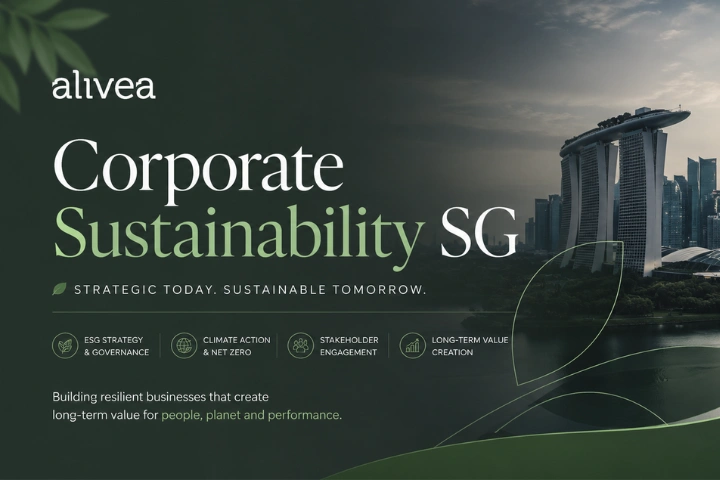
Corporate Sustainability SG Helps Companies Align Operations With Responsible Growth
Corporate sustainability sg is about embedding ESG principles into the way a company grows. It is not limited to compliance documentation or public relations. Responsible growth requires companies to understand how their business activities affect the environment, people, communities, suppliers, customers, and governance systems. When these impacts are measured and managed, sustainability becomes part of business discipline.
Corporate sustainability reporting Singapore supports this alignment by creating a regular review cycle. Every reporting period gives companies an opportunity to evaluate what has improved, what remains weak, and what requires leadership attention. This cycle helps companies avoid fragmented ESG initiatives that look positive individually but fail to support a broader strategy. For example, a company may launch recycling campaigns, employee volunteering activities, or wellness programmes, but those initiatives become more valuable when connected to material topics, measurable goals, and business outcomes.
In sustainability reporting Singapore, responsible growth also means linking ESG commitments with operational realities. A manufacturing company may need to reduce resource consumption while improving production efficiency. A retail business may focus on packaging, responsible sourcing, customer education, and waste management. A technology company may highlight energy-efficient infrastructure, digital inclusion, ethical AI governance, cybersecurity, and talent development. Each sector needs its own ESG priorities.
Effective esg reporting Singapore should use plain language and strong structure. Readers should be able to understand the company’s sustainability approach without getting lost in technical terms. This is where content strategy and report design become important. Clear headings, visual data, charts, icons, summary boxes, case studies, and performance dashboards can help transform complex ESG information into accessible communication.
Corporate sustainability sg also benefits internal teams. When reporting responsibilities are clearly assigned, departments become more aware of their role in ESG performance. Finance, operations, HR, procurement, legal, communications, and leadership teams can work together to improve data quality and strategic alignment.
Sustainability disclosure Singapore is strongest when it reflects real progress. Companies do not need to claim perfection. They need to show direction, accountability, and evidence. That approach helps responsible growth become practical, measurable, and credible.
Sustainability Disclosure Singapore Improves Transparency Across Stakeholders
Sustainability disclosure Singapore improves transparency by giving different stakeholder groups access to information that matters to their decisions. Investors may examine emissions exposure, governance oversight, risk management, and long-term targets. Customers may look for ethical sourcing, environmental responsibility, product safety, and community commitment. Employees may care about workplace culture, diversity, training, wellbeing, and leadership integrity. Regulators may focus on compliance, reporting structure, and consistency.
Corporate sustainability reporting Singapore should therefore be written for multiple audiences without becoming too broad or generic. The report must balance technical accuracy with readability. It should provide enough detail for serious evaluation while remaining clear enough for non-specialist readers. This balance is essential for sustainability reporting Singapore because ESG information often includes complex data, frameworks, assumptions, boundaries, and methodologies.
SGX’s sustainability reporting guide states that issuers should report on sustainability at least once a year and issue the sustainability report at the same time as the annual report, while also making sustainability reports available on SGXNet and the company website. This reinforces the importance of accessibility. A report should not be hidden, hard to navigate, or disconnected from other corporate communication channels.
ESG reporting Singapore also benefits from consistency. Companies should use similar metrics, boundaries, and frameworks from year to year where possible, so stakeholders can compare performance over time. If a methodology changes, the company should explain the reason. If data coverage expands, the report should clarify what changed. If certain information is estimated, the assumptions should be disclosed. These practices reduce confusion and strengthen trust.
For corporate sustainability sg, transparency is not only about publishing positive achievements. It also includes explaining challenges, limitations, and future improvements. Stakeholders understand that ESG transformation takes time. What they need is evidence that the company is managing sustainability seriously.
Sustainability disclosure Singapore becomes more persuasive when it connects strategy, governance, performance, and impact. A well-structured report helps stakeholders see how ESG priorities are selected, how initiatives are implemented, and how progress contributes to business resilience. Find related insights best sustainability report agency singapore for esg design needs.
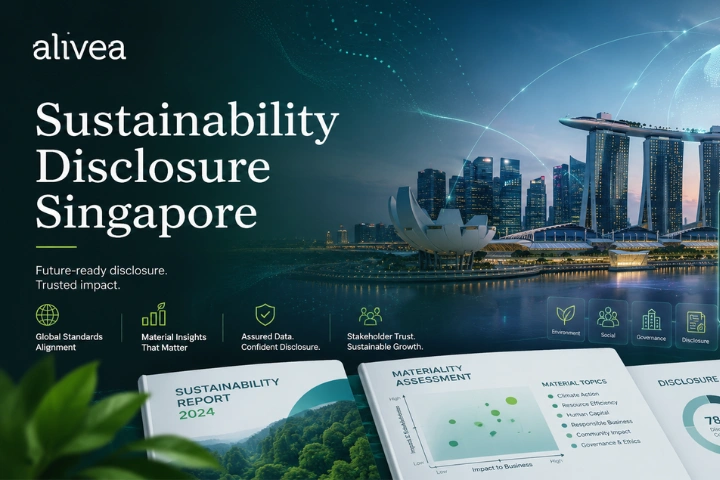
What Makes Corporate Sustainability Reporting Singapore Essential Today?
Corporate sustainability reporting Singapore is essential because ESG expectations now influence compliance, investment, procurement, reputation, and long-term business resilience. Companies operating in Singapore face a business environment where transparency matters, especially as climate-related disclosure requirements continue to develop. Sustainability reporting Singapore helps organisations explain how they manage environmental impact, workforce responsibility, governance standards, stakeholder relationships, and climate risk.
The “what” behind esg reporting Singapore is simple: it is a structured disclosure of material ESG factors, policies, performance, targets, risks, and governance. However, the value goes beyond documentation. A good report helps management understand sustainability performance and gives stakeholders confidence that the company is acting responsibly.
For corporate sustainability sg, reporting also supports strategic planning. When ESG data is reviewed regularly, companies can identify cost savings, risk exposures, operational weaknesses, and innovation opportunities. Sustainability disclosure Singapore therefore becomes a practical business tool that supports both accountability and improvement.
Who Needs Sustainability Reporting Singapore Support For ESG Compliance?
Sustainability reporting Singapore support is valuable for listed companies, large non-listed companies, growing SMEs, multinational subsidiaries, family-owned businesses, and organisations preparing for supplier or investor ESG requirements. While formal obligations may depend on company type, market capitalisation, and reporting timeline, many businesses benefit from improving ESG readiness before disclosure becomes urgent.
Corporate sustainability reporting Singapore is especially useful for companies with complex operations, multiple departments, supply chain exposure, international clients, or limited internal ESG resources. These organisations often need help with materiality assessment, framework selection, data mapping, content writing, visual reporting, governance explanation, and disclosure quality.
ESG reporting Singapore is also important for leadership teams that want to communicate sustainability progress more clearly. Corporate sustainability sg teams may understand their initiatives internally, but they often need professional support to convert those initiatives into a credible report. Sustainability disclosure Singapore support helps companies avoid vague claims and present information in a structured, stakeholder-friendly format.
Where Should ESG Reporting Singapore Be Published For Stakeholder Access?
ESG reporting Singapore should be published where stakeholders can easily find, read, and evaluate it. For listed companies, sustainability reports are commonly released with annual reporting materials and made accessible through official corporate channels. SGX guidance also expects sustainability reports to be available through SGXNet and the company website, which supports transparency for investors and public stakeholders.
Corporate sustainability reporting Singapore may appear as a standalone sustainability report, an integrated section inside an annual report, or a dedicated ESG microsite with downloadable disclosures. The right format depends on the company’s maturity, audience, regulatory obligations, and communication goals.
Sustainability reporting Singapore should also be easy to navigate. Stakeholders should be able to find material topics, performance tables, policies, targets, governance details, and climate-related disclosures without confusion. For corporate sustainability sg, accessibility strengthens trust. Sustainability disclosure Singapore becomes more effective when the report is not only compliant, but also searchable, readable, visually clear, and aligned with the company’s broader brand communication.
When Should Corporate Sustainability SG Teams Start Preparing Reports?
Corporate sustainability sg teams should start preparing sustainability reports well before the publication deadline. High-quality reporting requires time for planning, data collection, validation, stakeholder engagement, content development, internal review, design, leadership approval, and final publication. Waiting until the end of the financial year often creates rushed reporting, weak data quality, and unclear explanations.
Corporate sustainability reporting Singapore is best managed as a continuous process. Teams should begin by confirming reporting scope, material ESG topics, applicable frameworks, data owners, and internal timelines. Sustainability reporting Singapore becomes easier when each department knows what information to collect and how often to update it.
ESG reporting Singapore also requires early attention to climate data, especially Scope 1, Scope 2, and where applicable, Scope 3 emissions. These calculations may involve utility bills, fuel records, business travel, logistics, procurement, and supplier information. Sustainability disclosure Singapore improves significantly when companies prepare throughout the year instead of treating ESG reporting as a final-month task.
Why Does Sustainability Disclosure Singapore Matter For Brand Credibility?
Sustainability disclosure Singapore matters because modern stakeholders are more cautious about unsupported ESG claims. A company may say it is responsible, ethical, or environmentally conscious, but credibility depends on evidence. Reports that include material topics, data, targets, governance, policies, and progress help transform sustainability messages into verifiable communication.
Corporate sustainability reporting Singapore strengthens brand credibility by showing that ESG is part of business accountability. Investors, customers, suppliers, employees, and regulators can see how the company defines priorities and measures performance. Sustainability reporting Singapore also helps reduce reputational risk because it encourages clearer, more balanced communication.
ESG reporting Singapore should avoid exaggerated language, selective achievements, or unclear claims. Strong reports acknowledge both progress and challenges. This honesty makes corporate sustainability sg communication more trustworthy. Sustainability disclosure Singapore therefore supports brand reputation not by making the company look perfect, but by showing that it is transparent, organised, and committed to continuous improvement.
How Can Companies Improve Corporate Sustainability Reporting Singapore?
Companies can improve corporate sustainability reporting Singapore by strengthening ESG governance, selecting relevant frameworks, improving data systems, conducting materiality reviews, and aligning disclosures with business strategy. The first step is to define which ESG issues matter most. Without materiality, sustainability reporting Singapore can become too broad and unfocused.
The second step is building reliable data workflows. Each department should understand its role in collecting and validating ESG information. ESG reporting Singapore becomes stronger when companies explain methodologies, boundaries, baselines, and targets clearly. Visual dashboards, performance tables, and concise explanations can also improve readability.
Corporate sustainability sg teams should review reports from previous years and identify gaps. These may include weak climate data, missing targets, unclear board oversight, limited supplier information, or inconsistent metrics. Sustainability disclosure Singapore can then be improved through better planning, clearer writing, stronger visuals, and more transparent performance commentary. Companies may also work with specialists such as Alivea to create reports that are both compliance-aware and professionally communicated.
Corporate Sustainability Reporting Singapore Creates Stronger ESG Accountability
Corporate sustainability reporting Singapore creates stronger ESG accountability because it forces companies to move from intention to evidence. A responsible business cannot rely only on broad statements about sustainability. It needs to show what it considers material, how decisions are governed, which initiatives are being implemented, what data has been measured, and what targets guide future action. This makes sustainability reporting Singapore a central part of modern corporate communication.
Across Singapore’s evolving ESG landscape, companies that prepare early will be better positioned than those that react late. Reporting requirements, climate expectations, investor questions, and supply chain standards are becoming more sophisticated. Businesses that build internal ESG capability now can improve data quality, reduce compliance pressure, and communicate progress more confidently. ESG reporting Singapore should therefore be viewed as a long-term capability, not a one-time publication.
Corporate sustainability sg also supports better leadership decisions. When sustainability information is collected and reviewed properly, companies can see risks and opportunities more clearly. They can reduce energy costs, improve operational efficiency, strengthen employee engagement, manage supplier risks, enhance governance, and prepare for future climate-related expectations. These outcomes show that ESG reporting is not only about external disclosure. It can also improve internal performance.
Sustainability disclosure Singapore becomes most effective when it is clear, balanced, and connected to real business strategy. A strong report should help readers understand where the company stands today, what progress has been made, what challenges remain, and how the organisation plans to improve. It should use credible data, simple explanations, meaningful visuals, and a structure that supports stakeholder understanding.
For companies that want to communicate ESG performance with professionalism, Alivea can support the development of sustainability reports that are strategic, readable, and aligned with corporate expectations. In a competitive Singapore market, strong sustainability reporting helps businesses demonstrate responsibility, improve trust, and build a clearer path toward resilient growth.
